
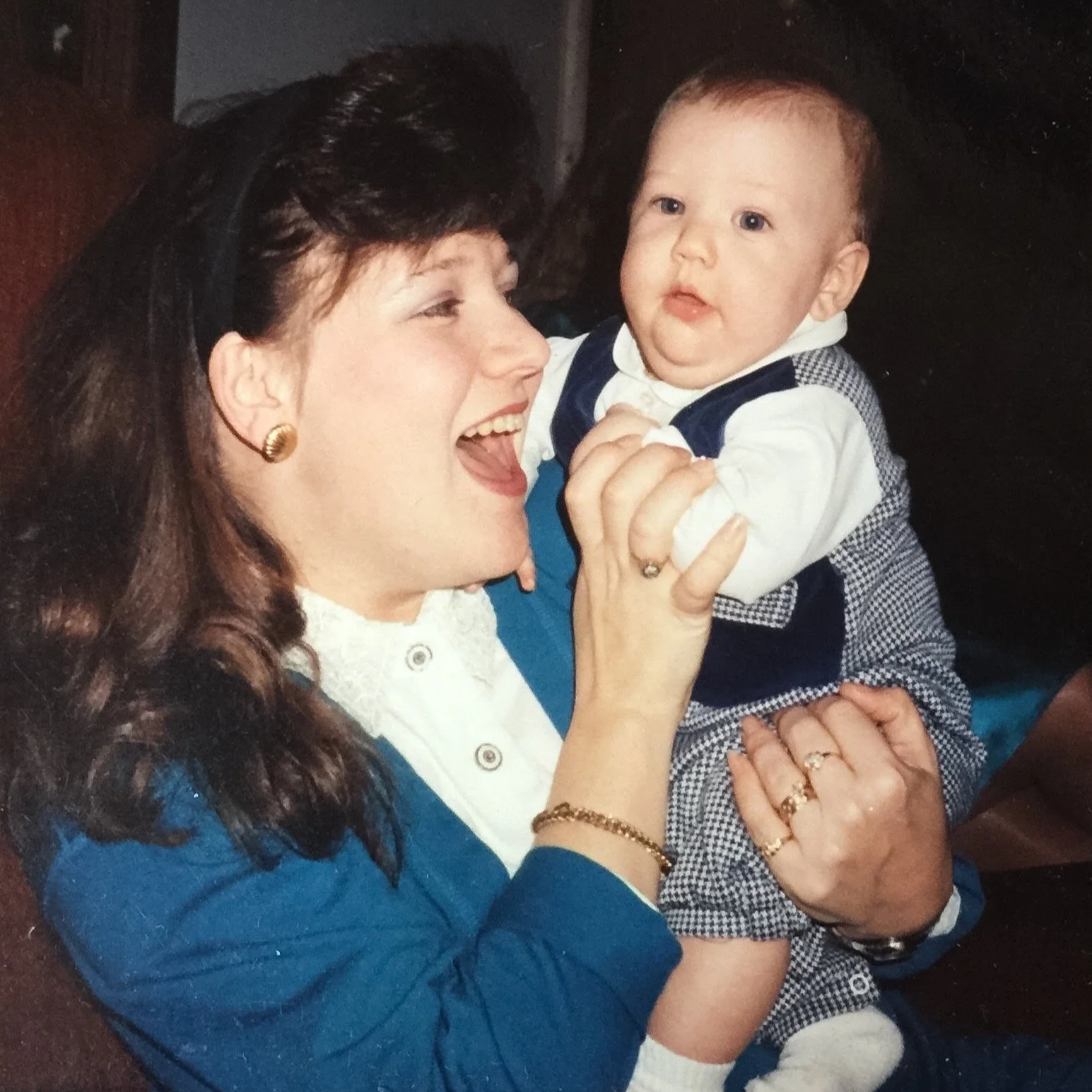
The Only One Who Knows My Heart From the Inside
As my only child turns 35, I reflect on the mother and son bond…and why he is the only person who knows what my heart sounds like from the inside.
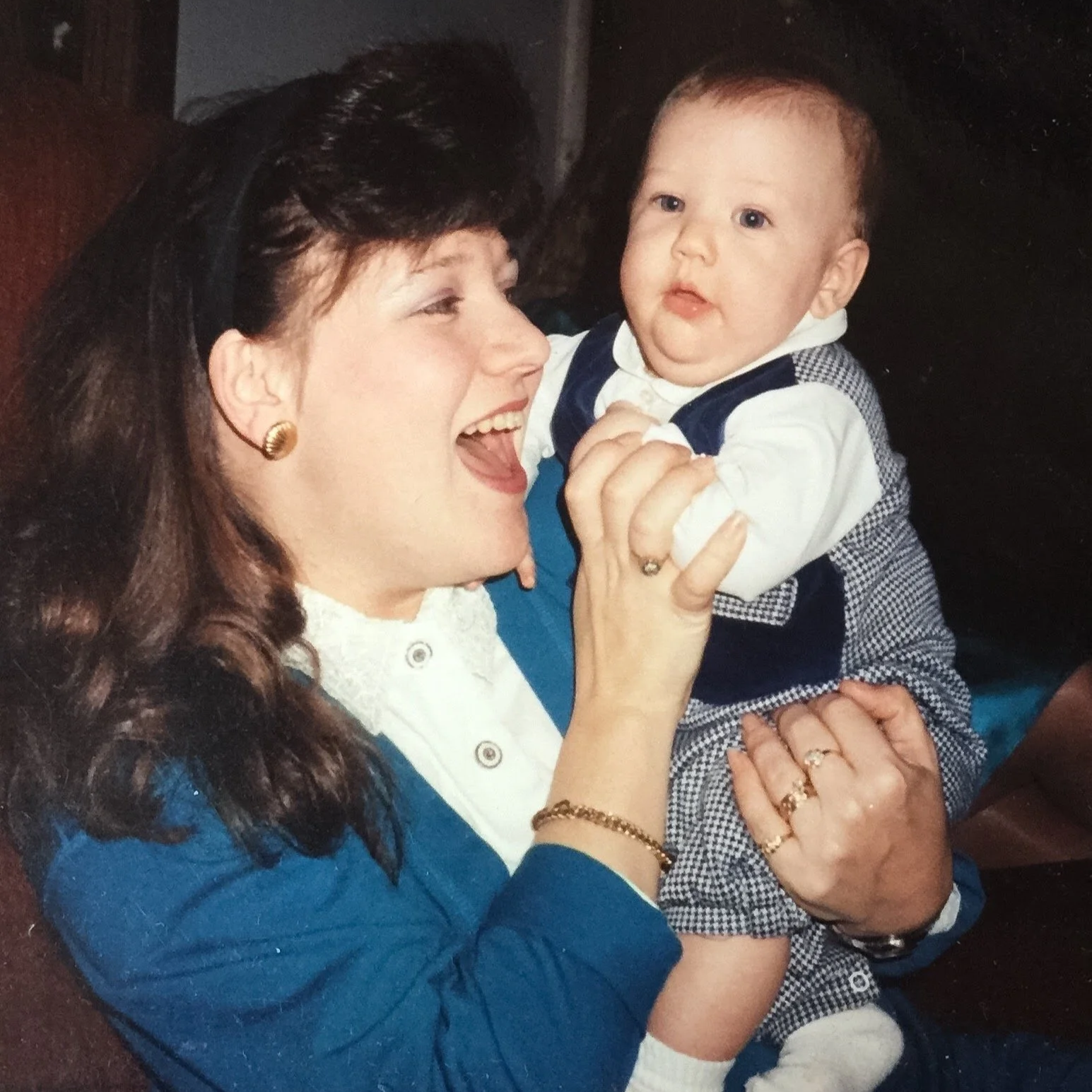
4 months old
The Only One Who Knows My Heart From the Inside
On August 19, my son will turn thirty-five.
Thirty-five.
His birthday has me thinking about the mother and son bond… not only how it begins, but how it changes as a child becomes a man.
There is something about the birthdays of our children that makes time fold in on itself. I can see the man he has become, standing firmly in his own life, and still remember the child who once fit completely inside my arms. I can hear his grown voice, yet somewhere beneath it lives every version of him I have ever known: the baby, the little boy, the teenager, and the young man learning to make his own way.
He is my only child, which means all my firsts and lasts arrived together.
The first time I felt life move inside me was also the last. The first newborn I held against my chest was the only one whose tiny body would teach mine that particular rhythm. Every milestone was both an opening and a closing: the first word, the first step, the first day of school… and then, just like that, the last time I would experience each of those moments as a mother.
Perhaps that is why one thought has stayed with me through all these years:
He is the only person in this world who knows what my heart sounds like from the inside.
Before He Knew My Face, He Knew My Rhythm
Before he knew my face, he knew my rhythm.
Before I ever whispered his name or sang him a lullaby, my heartbeat was the steady sound accompanying the beginning of his life. For months, he lived beneath it. It was his first drumbeat, his first measure of time, his first assurance that he was not alone.
I imagine that sound reached him through everything… the quiet moments and the busy ones, my laughter and my worry, the ordinary days when I had no idea I was already giving him one of his earliest experiences of safety.
Long before either of us understood love, our bodies were already practicing it.
Researchers have found that mothers and infants can coordinate their heart rhythms during moments of close, attentive interaction. When mother and baby are looking at one another, responding to one another, and fully present, their bodies can begin to answer each other in measurable ways. Studies of people singing together have found another kind of shared rhythm: breathing falls into a common pattern, and heart-rate variability can begin to rise and fall together.
The body seems to know something the mind often forgets.
We are not as separate as we imagine.
Connection is not merely a lovely idea. It is something we experience in breath, pulse, presence, and touch. We can feel another person settle when we enter a room calmly. We can feel tension pass through a household before anyone speaks. We know the comfort of sitting beside someone who does not try to fix us but simply stays.
Our bodies listen to one another.
How a Mother and Son Bond Changes
Maybe motherhood is one long lesson in this kind of listening.
At first, the listening is constant and close. You learn the meaning of different cries. You wake before the baby fully wakes. You place a hand on a small back just to feel it rise and fall. You hold a sleeping child against your chest until your breathing slows together and neither of you seems to know who is calming whom.
Then the distance gradually grows.
The child walks away from your arms and into a classroom. He rides in a car without you. He forms friendships you did not arrange and dreams you did not place inside him. Eventually, he builds an adult life with rooms you do not enter and decisions that belong to him alone.
This is as it should be.
But a mother’s heart must learn a new rhythm each time her child steps farther into his own life. We learn to loosen our hands without loosening our love. We learn that being needed is not the same as being connected. We learn to listen without always answering, to offer without insisting, and to remain near without standing in the way.
The connection changes, but it does not disappear.
Thirty-Five Years Later
At thirty-five, my son no longer fits inside my arms, and he certainly does not need me in all the ways he once did. Yet there are moments when I catch something familiar… a look, a laugh, a quiet understanding between us… and time folds again. For one brief second, I can feel the invisible thread that has been there from the beginning.
I know his heart in the way a mother comes to know her child across years of watching, loving, releasing, and welcoming him home.
But he knows mine in a way no one else ever can.
He heard it before the world added all its other noise. He knew its rhythm before he knew language. He lived beneath its steady beat while his own heart was learning how to become a heart.
There is something sacred to me in that.
On August 19, I will celebrate the man my son has become. I will honor the life he has built, the choices that have shaped him, and every version of him that brought us to this day. I will also quietly remember the first home he ever knew… the small, hidden place beneath my heart.
Thirty-five years ago, he entered the world and began the lifelong work of becoming himself.
And I began becoming his mother.
We have both changed many times since then. We have grown through seasons of closeness and distance, joy and worry, holding on and letting go. Yet beneath all that change, I believe some part of us still remembers our first conversation… the one without words, spoken in blood and breath and beating hearts.
He is my only child.
My first and my last.
The one who taught my heart an entirely new rhythm… and the only one who has ever heard that heart from the inside.
An Invitation to Reflect
If this reflection stirred a memory, I would love to hear it: What has motherhood taught your heart about holding on and letting go? Share your story in the comments… or pass this essay along to a mother who may need the reminder that connection changes, but it does not disappear.
